
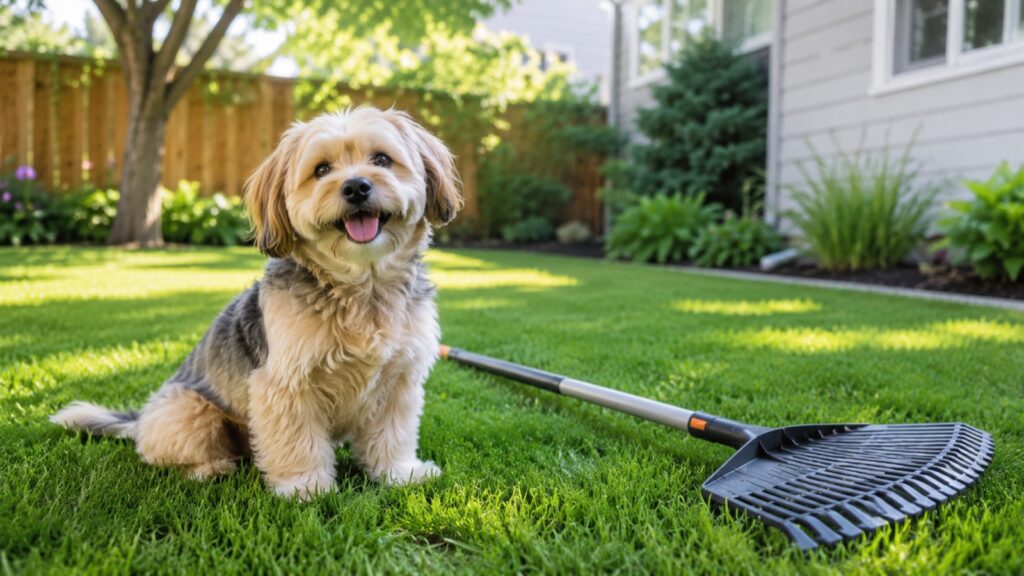
Pet Waste and Lawn Health: How Dog Poop Damages Grass (2026 Fix Guide)
The connection between pet waste and lawn health is one many dog owners discover only after the damage is done. Those scattered yellow patches, thinning turf, and stubborn dead spots are rarely a fertilizer problem or a watering mistake; they are the direct result of dog waste and urine sitting on the grass. Understanding how pet waste and lawn health interact lets you keep a lush, even yard even with an active dog. In 2026, with more people investing in outdoor living, protecting your turf from waste damage has never mattered more.
This guide explains the science, the fixes, and the tools that make prevention effortless. Working with quality service providers or upgrading your own gear both lead to the same green result.
Why Pet Waste and Lawn Health Are Directly Linked
Dog waste is loaded with nitrogen and salts. In small doses nitrogen feeds grass, but the concentrated dose in feces and urine overwhelms it, essentially chemically burning the blades. The result is the classic pattern: a scorched center surrounded by a ring of unusually dark, over-fertilized green. Because dog waste is too acidic and pathogen-heavy, it never breaks down into safe fertilizer the way some owners hope.
Left in place, waste also blocks sunlight and traps moisture, encouraging fungus and mold. The longer it sits, the deeper the damage and the longer recovery takes.
The Difference Between Urine Burn and Waste Burn
- Urine burn — fast, concentrated nitrogen spots, worst in warm weather.
- Solid waste burn — slower, but blocks light and spreads bacteria while it sits.
- Combined effect — high-traffic potty areas suffer both at once, creating bare zones.
How to Repair a Lawn Damaged by Dog Waste
Recovery starts with removing the source. You cannot heal turf while waste keeps accumulating. Once the yard is clear, you can rehabilitate damaged spots.
- Remove all waste completely, including hidden piles in tall grass.
- Flush affected spots with water to dilute lingering nitrogen and salts.
- Rake out dead grass to expose soil for new growth.
- Reseed or patch with a matching grass blend and keep it moist.
- Establish a rotation so your dog does not reuse the same spot daily.
Prevention: The Real Key to Pet Waste and Lawn Health
The most reliable way to protect your lawn is to remove waste before it can burn. Frequent, complete cleanup prevents nitrogen buildup and stops the fly-and-fungus cycle. The easier you make cleanup, the more consistently you will do it.
That is where the right equipment pays off. Handling waste one flimsy grocery bag at a time invites tears and skipped days. A durable heavy duty tool bag style pickup bag seals waste cleanly so you never dread the chore, and a long-handled Pooper scooper lets you clear the whole yard fast without bending or contact. Fast, painless cleanup means it actually happens daily, which is exactly what your grass needs.
Smart Yard Habits That Protect Turf
- Designate a mulch or gravel potty area to spare the main lawn.
- Water heavily-used spots to dilute nitrogen after each use.
- Aerate compacted, high-traffic zones each season.
- Keep grass slightly taller to shade roots and resist burn.
Waste Damage vs. Prevention: Cost and Effort
| Approach | Lawn Outcome | Ongoing Cost | Effort |
|---|---|---|---|
| Ignore waste | Yellow spots, bare patches | High (re-sodding) | Low now, costly later |
| Reactive patch repairs | Uneven, patchy recovery | Moderate | Recurring |
| Daily removal + good tools | Even, healthy turf | Low | Minutes per day |
Watering, Fertilizing, and Waste Together
A healthy lawn resists waste damage better. Deep, infrequent watering builds stronger roots, and a balanced fertilizing schedule keeps grass dense enough to recover quickly. According to the U.S. Environmental Protection Agency, uncollected pet waste also runs off into waterways, so keeping it off your lawn protects both your turf and the local watershed. Prevention truly benefits more than just your grass.
Seasonal Lawn Care for Dog Owners
Turf resilience changes with the seasons, and so should your approach. In spring, focus on overseeding thin areas and aerating compacted potty zones so roots can breathe. Summer is when nitrogen burn accelerates, so cleanup frequency and post-use watering matter most in the heat. Fall is the ideal window to reseed damaged patches, because cooler temperatures and steady moisture help new grass establish before winter. In colder months, waste still needs removal even though grass is dormant, since accumulated waste smothers turf and delays spring recovery.
One overlooked habit is rotating your dog’s potty spot. Dogs naturally prefer to reuse the same area, which concentrates all the damage in one place. Gently redirecting them across a few zones spreads the nitrogen load thin enough that grass can absorb it rather than burn. On larger properties, a designated mulch or gravel relief area removes the pressure from the lawn entirely.
A Simple Lawn-Protection Checklist
- Remove waste daily so nitrogen never concentrates.
- Water high-use spots after your dog finishes to dilute urine.
- Keep grass slightly taller to shade and protect roots.
- Aerate compacted zones each spring and fall.
- Reseed bare patches during cool, moist weather for best results.
Combine these seasonal habits with consistent removal and the right tools, and your lawn recovers faster than damage can accumulate. The goal is to stay ahead of the burn cycle rather than constantly repairing after the fact, which is both cheaper and far less frustrating over a full year.
Frequently Asked Questions
Does dog poop actually kill grass or just discolor it?
Both. The concentrated nitrogen and salts chemically burn grass, while solid waste blocks sunlight and traps moisture. Prolonged contact kills the turf entirely, leaving bare patches.
How quickly should I remove waste to protect lawn health?
As soon as possible, ideally daily. The longer waste sits, the deeper the nitrogen burn and the greater the fungus and pathogen risk to your grass.
Can I use dog waste as fertilizer for my lawn?
No. Unlike herbivore manure, dog waste is too acidic and carries pathogens. It damages rather than feeds grass and should be bagged and thrown away, never spread.
Will reseeding fix a lawn ruined by pet waste?
Yes, once you remove the waste source and flush the soil. Rake out dead grass, reseed with a matching blend, and rotate your dog’s potty area to prevent repeat damage.
Conclusion
Pet waste and lawn health are inseparable: leave waste on the grass and burns, bare spots, and fungus follow, but remove it consistently and your turf stays green and even. The winning strategy is prevention through fast, complete daily cleanup, backed by durable bags and a proper scooper. Repair the damaged spots, adopt smart yard habits, and in 2026 you can enjoy both an active dog and a lawn you are proud of.